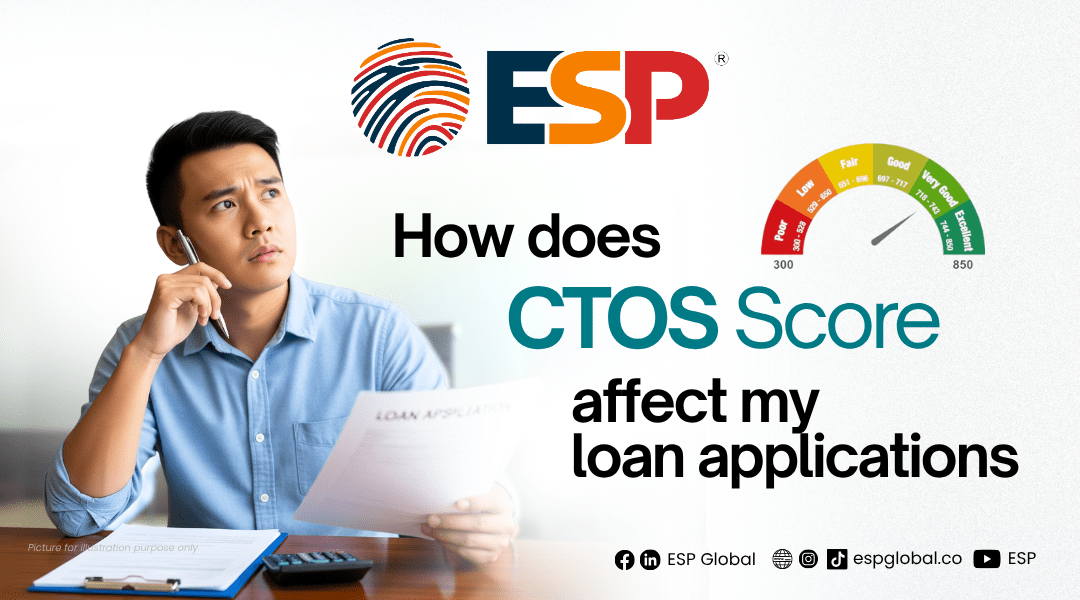

For young adults, we totally understand how daunting it can be to figure out your next step upon graduation. Paying bills, taxes, applying for loans and credit cards. If you’ve ever tried applying for a loan, whether it’s for a car, a credit card, or even just a postpaid phone plan — you’ve probably heard the term CTOS score. But what is CTOS, and why does almost everyone make a fuss about it?
What Is a CTOS Score?
Your CTOS score is a 3-digit number between 300 and 850 that shows your creditworthiness and your reliability to repay your loans. The score is provided by CTOS Digital Berhad, Malaysia’s leading credit reporting agency. It doesn’t lend money, but it gives banks and lenders information to decide if they should approve your loan. The higher your score, the more trustworthy you appear to lenders and the higher chance for your loan to be approved with lower interest rates!
What Information Is Inside a CTOS Report?
This carefully maintained report contains a wealth of information, including your personal details, any legal cases filed under your name, and trade references, which are records from telcos, banks, and leasing companies. It also tracks your complete payment history, right down to your credit card bills. A key section in the report is the Special Attention Account (SAA), which specifically highlights any overdue accounts exceeding three months, as well as any blacklist status reported by both financial institutions (FIs) and non-financial institutions (non-FIs).
What Lowers Your CTOS Score?
1. Late or Missed Payments
Paying your credit card, loan, or even telco bills late, or worse, missing payments entirely will lower your credit score. Timely repayment is one of the biggest factors in maintaining a healthy CTOS score.
2. High Debt Levels
Having too many debts, especially large amounts across multiple loans or maxed-out credit cards, signals poor financial management. This increases your credit risk and drags down your score.
3. Frequent Credit Applications
Applying for several loans or credit cards within a short period can be a red flag in lenders’ point of view. It may seem like you’re desperate for credit, which makes lenders more cautious.
4. Legal Issues
If you’re blacklisted, involved in court cases, or declared bankrupt, it will significantly damage your credit profile. Legal actions show serious financial trouble to lenders.
5. No Credit History
Having no past credit records can also negatively impact your score. Without any credit activity, lenders have no way to assess your repayment behaviour, making you a higher risk.
6. Special Attention Account (SAA)
This section of your report flags accounts that are overdue by more than three months or under special monitoring. Being listed here indicates a higher risk of default, which lowers your overall score.
What Improves Your CTOS Score?
Good news! Your credit score isn’t fixed forever and while a low score can feel discouraging, it’s absolutely possible to improve it with the right financial habits. Whether you’ve missed a few payments in the past or have little to no credit history, there are steps you can take to gradually rebuild your score and prove your creditworthiness to banks and lenders.
1. Pay On Time
Always pay your bills and loan instalments by the due date. Set reminders if you have to. Consistent on-time payments show that you’re financially responsible.
2. Use Credit Wisely
Avoid maxing out your credit cards. Try to keep your usage below 30–40% of your credit limit. This shows lenders that you can manage credit sensibly.
3. Limit Loan Applications
Only apply for credit when necessary. Multiple applications in a short time can reduce your score and give lenders the impression that you’re in financial distress.
4. Monitor Your Credit Report
Check your CTOS report regularly to catch any errors or signs of identity theft. Fixing a mistake early can save you from loan rejections. You could easily purchase your report via CTOS website or third party providers like Touch N’ Go or MyEG.
5. Clear Small Debts
Old overdue payments — like forgotten telco bills or unpaid PTPTN loans — can still hurt your score. Settle them as soon as possible to clean up your record.
Why Lenders Care About Your CTOS Score
Banks and financial institutions rely on your CTOS score to assess your loan application. A higher score increases your chances of approval. It also helps them decide how much they’re willing to lend you, and at what interest rate. Most importantly, your score tells them whether you’re a high-risk or low-risk borrower — which directly affects your loan terms.
Even if you’re earning well, a poor CTOS score can result in rejections or higher rates.
Your CTOS Score = Your Financial Reputation
Whether you’re applying for a personal loan, car loan, home financing, or even a credit card, your CTOS score contributes a huge role.
Start building good credit habits now — your future self (and your dream home or car) will thank you.
Need Help Getting Your Loan Approved? Let ESP Global Assist You.
Whether it’s your first time applying for a loan or you’re struggling with loan rejections, ESP-ians are well-trained to provide advice beyond property. We’ll walk you through your credit report, help you connect with bankers, and make sure you’re better prepared to get your loan approved.
Please Follow Us & Like Us at :
Website : www.espglobal.co
Instagram: instagram.com/espglobal.co
Facebook: facebook.com/espglobal.co
#ESPGlobal #ESPGo #MalaysiaCTOS #MortgageLoan #MalaysiaMortgage #MalaysiaProperty #RealEstateAgencies